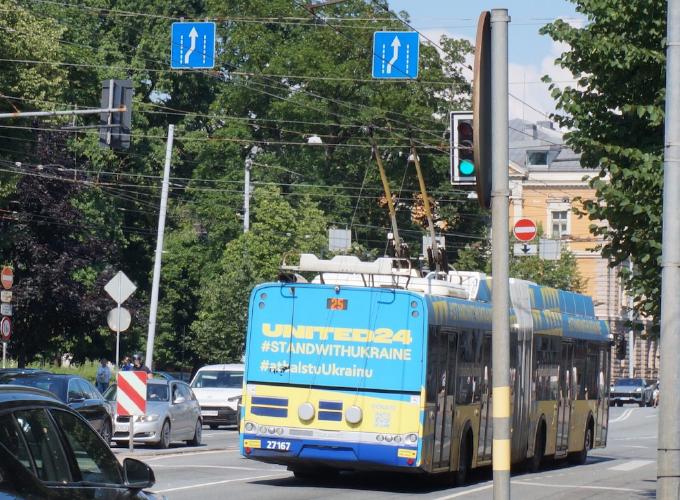
Street media for Ukraine. Foto: Oksana Žabko

How displaced Ukrainians turn their desires for action into civic engagement in Latvia

Oksana Žabko analyzes the surge of Ukrainian civic participation in Latvia. Drawing on interviews conducted for the ReCoM project, she examines why this self–organization is a unique phenomenon compared to the fragmented engagement of other newcomer groups in Europe. She highlights how displaced Ukrainians moved from seeking help at support centres to becoming leaders who apply their professional backgrounds in law, education, and administration to new community roles.

Street media for Ukraine. Foto: Oksana Žabko

How displaced Ukrainians turn their desires for action into civic engagement in Latvia

Oksana Žabko analyzes the surge of Ukrainian civic participation in Latvia. Drawing on interviews conducted for the ReCoM project, she examines why this self–organization is a unique phenomenon compared to the fragmented engagement of other newcomer groups in Europe. She highlights how displaced Ukrainians moved from seeking help at support centres to becoming leaders who apply their professional backgrounds in law, education, and administration to new community roles.

The article details the establishment of 14 Ukrainian–founded NGOs and the creation of municipal coordinator positions to advocate for community needs. These activists have organized «native–language» classes, legal advice, and childcare while engaging in national debates on the education system. However, researcher also addresses the obstacles to sustaining this momentum, including the shift toward equal competition for state grants and the potential erosion of the community as individuals return home or relocate. The concluding question is if this model of engagement can be transferred to other migrant groups in the region.

Read the full article at HROMADA network website

Related

Previous